How do you build a business that runs itself?
Build a company that runs itself.
I'm Saif Muhtar. After 20+ years in construction, I wrote the Intelligent Business Operating System blueprint: how a company keeps selling, delivering, collecting cash and improving while you are not in the room.
- Free iBOS diagnostic
- Prefer to talk? 016-354 7300 WhatsApp
iBOS maturity profile
Illustrative example
- At entry (typical founder-run SME)
- After 18–24 months of iBOS

The answer
How do you build a business that runs itself?
Move the owner from working in the business to working on it, with a system that runs without you.
The promise is not a business that needs no one. It is a business that no longer needs you for everything.
Read the full answerThe owner's job changes: from doing the work to governing the system
Illustrative example
Owner hours per week (illustrative)
- 1Start
- 2Traction
- 3Systemise
- 4Grow
- 5Extend
- 6Self-running
- Hours a week IN the business (doing the work)
- Hours a week ON the business (building the system)
Five marks of a self-running company
- 1 Direction is written and shared.
- 2 Every important outcome has one owner.
- 3 The numbers are visible every week.
- 4 The core work is documented and followed by all.
- 5 A fixed meeting rhythm solves problems.
Why most never get there
The founder trap, and the exit from it.
The barrier is rarely the product: the owner is the best salesperson, the best technician and the only approver.
Two loops. One decision.
The founder trap
- Owner does the key work
- No time to build systems or people
- Staff wait for instructions
- Quality slips without the owner
- Owner steps back in
Decide to build the system.
The iBOS loop
- Write the way work is done
- Train and give clear authority
- Measure weekly with a scorecard
- Solve root causes together
- Owner time freed for growth
What I teach
The Intelligent Business Operating System: 12 components, one structure.
-
01
Strategy & vision
- 02 Commercial model · Offers, pricing rules, unit economics
-
- 04 Growth Marketing, sales, CRM pipeline
- 05 Fulfilment Delivery, quality, capacity
- 06 Customer success Onboarding, service, retention
- 07 Finance Cash, controls, reporting
- 08 People Hire, train, perform
- 03 Organisation · Accountability chart, seats, decision rights
- 11 Execution rhythm · Scorecard, issues, 90-day priorities, meeting pulse
-
- 09 Information & technology One system of record, automation, AI
- 10 Governance & risk Compliance, controls, continuity
- 12 Improvement & succession Learning loops, leaders, legacy
The journey
Ten stages. Each one ends in evidence.
The journey: ten stages, each ending in an evidence gate
Start right Stages 1–3
-
Stage 1: Founder readiness
Gate: Runway plan, selected opportunity, limits set
-
Stage 2: Validate the opportunity
Gate: 10+ paying or committed customers
-
Stage 3: Establish & launch
Gate: Legal entity, bank account, first invoices
Make it work Stages 4–6
-
Stage 4: Financial viability
Gate: Positive unit economics; 13-week forecast in use
-
Stage 5: Repeatable sales
Gate: One channel with known cost and conversion
-
Stage 6: Reliable delivery
Gate: On-time and quality measured weekly
Make it repeatable Stages 7–8
-
Stage 7: Team & delegation
Gate: Key work done without rescue
-
Stage 8: Install the iBOS
Gate: 12 weeks of rhythm; reliable dashboard
Make it independent Stages 9–10
-
Stage 9: Founder independence
Gate: Two-week absence test passed
-
Stage 10: Expand & renew
Gate: Profitable second unit or market; succession plan
The self-running test
How do you know it really runs itself?
Climb the absence ladder from one day to a month; all six continuities must hold.
Founder absence tests: climb one step at a time
Pass a step only when cash, quality, complaints and decisions stay within standard and every intervention is logged.
-
1 day1 day
Phone off for one working day
-
3 days3 days
A long weekend plus one day
-
1 week1 week
Covers one weekly meeting cycle
-
2 weeks2 weeks
Gate 9 pass line. Covers a payroll or billing cycle
-
1 month1 month
Covers month-end close and payroll
The test must include
- a payroll run
- a month-end
- a collection cycle
- or
- a complex delivery
Track
- cash
- decisions
- delays
- complaints
- defects
- every founder intervention
The self-running test: six continuities
A business runs itself only when all six continue without the founder for a full operating cycle.
Runs itself for a full operating cycle without the founder
-
Commercial continuity
Routine sales close without the founder
-
Delivery continuity
Quality, cost and timing meet standard
-
Financial continuity
Collections, payroll, purchasing and reports run on time
-
Decision continuity
Managers decide within authority and escalate correctly
-
Knowledge continuity
Critical information and access are available
-
Leadership continuity
Every key seat has an owner and a backup
Implement it
Implement the iBOS in your company.
Start free, or begin with the 90-day sprint if you already trade.
- Rung 1 Free Free lessons & iBOS diagnostic Understands the stages and knows their current maturity Part 1
- Rung 2 Foundation programme Has chosen and validated an opportunity Stages 1–2
- Rung 3 Launch programme Has started correctly and reached first controlled transactions Stages 3–4
- Rung 4 Management programme Has a repeatable sales engine, reliable delivery and cash control Stages 4–6
- Rung 5 iBOS implementation programme Runs a working operating system with a team Stages 7–8 + the 90-day sprint
- Rung 6 Founder independence programme Has developed managers and passed absence tests Stage 9 + Part 4
- Rung 7 Growth advisory Makes expansion, succession and ownership decisions with an adviser Stage 10
The 90-day iBOS sprint
- Days 1–15 Diagnose
- Days 16–30 Clarify
- Days 31–45 Standardise
- Days 46–60 Clean and configure
- Days 61–75 Train and run
- Days 76–90 Test
Speaking
Hear it on stage: five talks, one question.
Each answers it from real operations.
-
Build a Company That Runs Without You. Signature keynote
SME owners, chambers of commerce
-
Your Company Should Not Stop When You Stop Answering WhatsApp.
SME owners, industry associations
-
AI on the Ground: Agents with a Site Supervisor.
Technology and AI events, SME digitalisation programmes
-
The 12-Part Operating System Behind a Self-Running Company.
Operations leaders, digitalisation programmes
-
What I Learned Digitalising RumahHQ (Including What Didn't Work).
Universities, founder communities
The proof
Proof, not theory: built at RumahHQ.
The blueprint came from rebuilding my own company, every workflow tested.
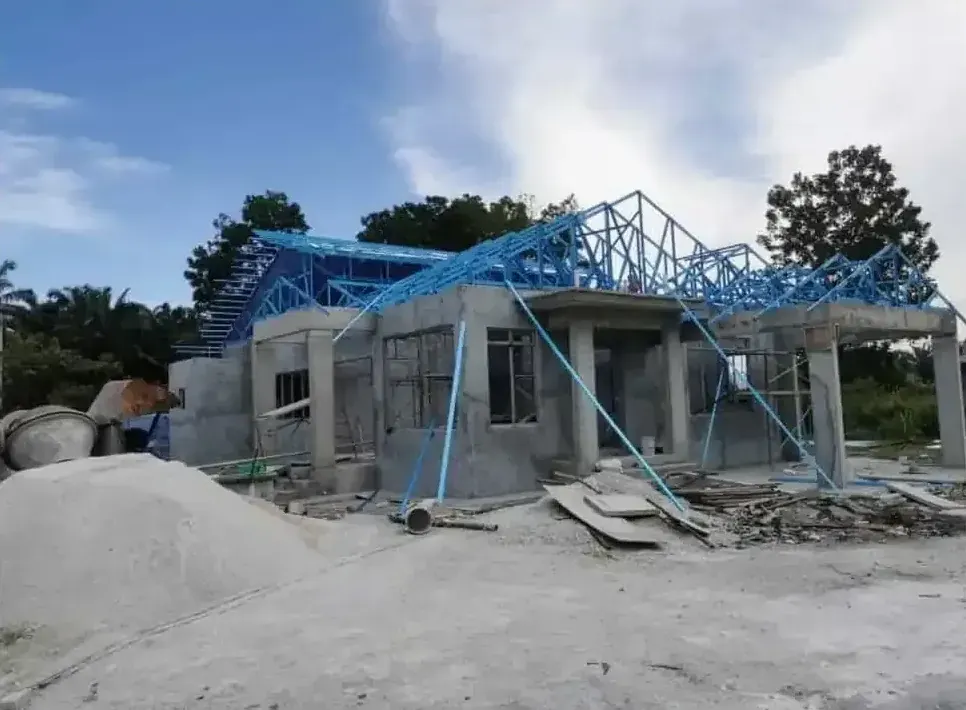
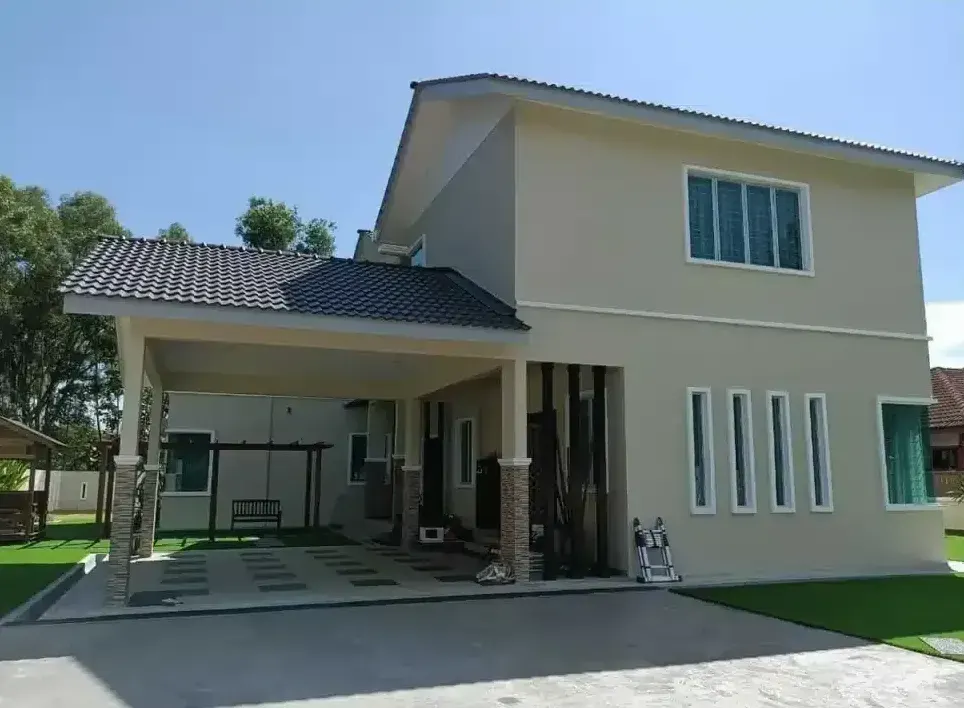
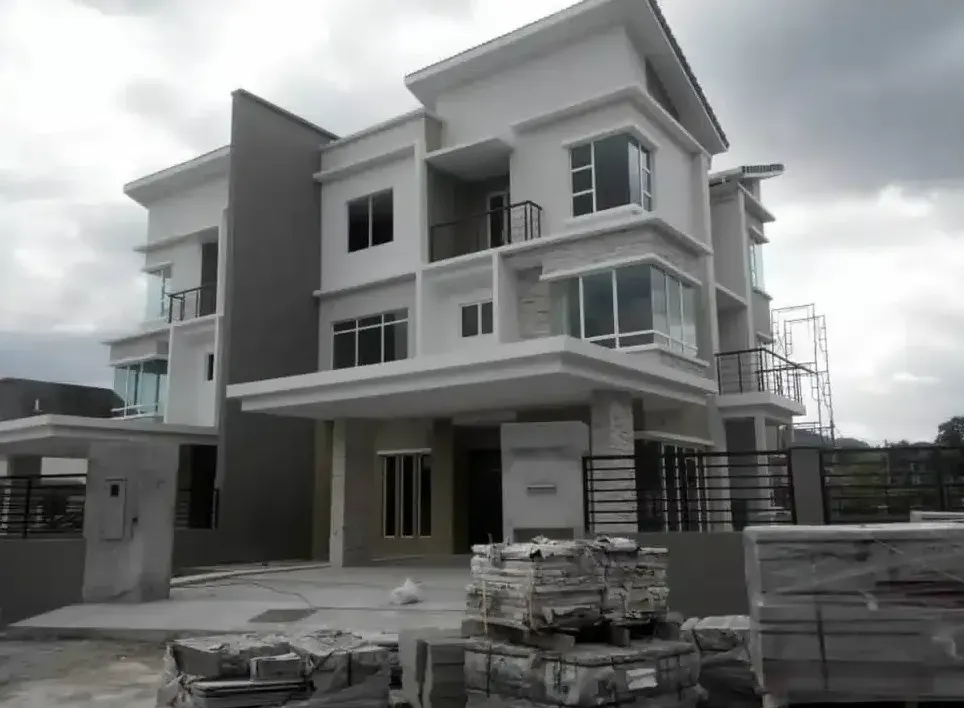
Real RumahHQ projects.
What this system built: RumahHQ
-
230+
homes completed
-
10+
years building homes
-
90+
builders and engineers
-
4.9★
from 125 Google reviews
Company figures from rumahhq.com, as of 18 Sept 2026. Not Saif's personal record.
Insights
Free lessons from the blueprint.
-
Connected operations 5 min
Run Your Company on Eight Numbers a Week
A scorecard of eight numbers reviewed every week beats a dashboard nobody opens. Which numbers, how to define them, and how the weekly meeting uses them.
-
Owner dependency 4 min
Six Myths That Keep Founders Stuck
Most owners are not stuck for lack of effort. They are stuck because of six beliefs that sound sensible. Each myth, and the reality behind it.
-
Owner dependency 5 min
The Founder Absence Test: 1 Day to 1 Month
You only know a company runs without you when you test it. The absence ladder, what to track, six continuities, and the checklist for a self-running business.
FAQ
Questions people ask
How do you build a business that runs itself?
Install a Intelligent Business Operating System: written direction, one owner for every outcome, weekly numbers, documented core work and a fixed meeting rhythm.
Is the iBOS software?
No. The iBOS is made of decisions, responsibilities and routines; software only supports it.
Does 'runs itself' mean passive income?
No. The owner works on direction, people and capital instead of daily operations.
Is Saif selling software or construction services?
No. Saif is an educator and speaker; RumahHQ is the company where the iBOS was built.
Can it be in Bahasa Malaysia, and what does it cost?
Yes, in BM or English. Fees depend on format and tailoring; send your details and Saif will reply with a proposal.